Early detection of venous disorders: observe visible changes!
VENENCLINIC St. Gallen
9000 St. Gallen
VENENCLINIC Zurich
8004 Zurich
VENENCLINIC Chur
7000 Chur
VENENCLINIC Engadin
7513 Silvaplana

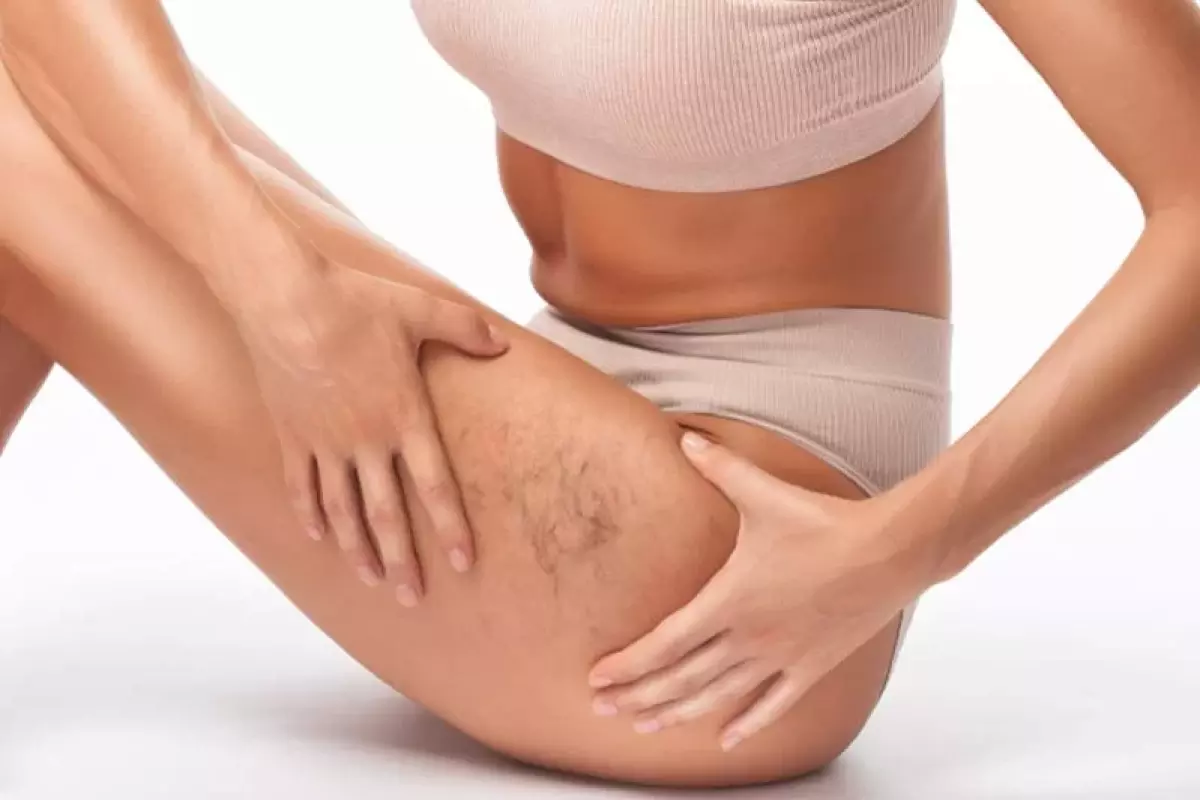
Spider veins (medical term: telangiectasias) and slightly larger reticular veins are the smallest forms of varicose veins. They appear as fine red, bluish, or violet vessels just beneath the skin, most commonly on the legs. Medically harmless, they are primarily an aesthetic concern for many patients.
They often occur together with reticular veins and reflect a genetically determined weakness of connective tissue and veins. Lifestyle factors such as exercise, diet, or body weight play only a minor role. The main cause is genetic predisposition combined with upright posture.
Hormonal influences – such as pregnancy, hormonal contraception, or hormone replacement therapy – can further promote their development. Age and female gender are also relevant factors, with women being affected significantly more often.
A common myth is that crossing the legs causes spider veins. While this position may temporarily affect circulation, it does not lead to permanent vessel dilation. Spider veins develop due to genetic and hormonal factors, not habits.
From a physiological perspective, spider veins form a complex network of tiny vessels connecting arterial and venous systems. Red coloration reflects arterial dominance, while bluish tones indicate venous blood. Importantly, visible veins are only the tip of the iceberg. A large part of the vascular network lies beneath the skin.
For this reason, a duplex ultrasound examination is essential before treatment to rule out deeper underlying varicose veins. If these are not addressed, superficial veins may quickly reappear regardless of treatment quality.
The most effective and economically reasonable treatment is foam sclerotherapy. A specially prepared foam is injected into the vessels, where it irritates the vessel wall, closes the vein, and allows the body to gradually break it down.
A key advantage is that the foam spreads throughout the entire vascular network, including deeper, invisible vessels, making it significantly more effective than laser treatments in many cases.
A single treatment is never sufficient. The amount of foam per session is limited for safety reasons, and biological response varies between individuals.
On average, 5–6 sessions are required. In more extensive cases, significantly more treatments may be necessary. Multiple sessions are not a sign of failure but reflect biological limitations and safe dosing.
Temporary reactions such as small bruises, mild swelling, or slight hardening along the vein are normal. Brownish discoloration (hyperpigmentation) may occur due to iron deposits and typically fades over time.
Mild pigmentation often resolves within 6–12 weeks, while more pronounced cases may take several months. Consistent sun protection is important to avoid prolonging discoloration.
Compression stockings are generally not necessary after spider vein treatment. These vessels are extremely small and superficial, and standard compression does not provide meaningful additional benefit.
Laser and radiofrequency treatments (e.g. IPL or Nd:YAG) may be used for very fine red vessels. However, they are often more expensive, more painful, and less effective for larger or deeper veins. They are considered complementary, not first-line treatments.
Spider veins are harmless but aesthetically bothersome. They result from genetic and hormonal factors, not behavior. True prevention is not possible.
With proper ultrasound diagnostics and consistent foam sclerotherapy, all visible vessels can be treated step by step. The key factors are patience, realistic expectations, and individualized planning.
Some patients feel that new spider veins appear during treatment. It is not uncommon for them to believe this is related to foam sclerotherapy and/or laser treatment. In most cases, this perception occurs because patients begin to observe their legs more closely: areas that were already present and visible are suddenly noticed for the first time.
Spider veins can reappear at any time, usually in different areas. However, results tend to last longer when treatment is started early – meaning when fewer spider veins were visible initially.
Unfortunately, there are no reliable preventive measures. Whether you cross your legs, are overweight, exercise a lot or little, smoke, or expose yourself to the sun has no proven effect. The only theoretical prevention would be wearing extremely tight thigh-high compression stockings (class IV) year-round, which is not practical due to significant impact on quality of life.
Compression stockings are NOT required with our spider vein treatments. The vessel closure reaction after foam and/or laser treatment is strong enough that additional compression is not needed.
Spider veins are very fine, superficial blood vessels that appear as red, bluish, or violet lines – most commonly on the legs. Medically, they are called telangiectasias. They represent the smallest form of varicose veins but are medically harmless and primarily a cosmetic concern.
The main cause is a genetic predisposition. Hormonal factors (pregnancy, contraceptive pill, hormone replacement therapy), connective tissue weakness, age, and female gender also play a role. Physical activity, diet, or body weight are usually not decisive factors.
No. Spider veins are medically harmless and usually do not cause serious health problems. However, a ultrasound examination should always be performed before treatment to rule out deeper venous issues.
No. This position may temporarily increase a feeling of heaviness but does not cause permanent dilation of blood vessels. Spider veins result from genetic and hormonal factors, not from sitting habits.
Foam sclerotherapy is considered the gold standard. A special foam is injected into the vessels to close them precisely. The body then gradually breaks down the treated vessels. The method is effective, precise, and cost-efficient.
One session is usually not sufficient. The amount of foam is limited for safety reasons, and the body’s response varies. On average, 5–6 sessions are required, and more may be needed in more pronounced cases.
The treatment is generally well tolerated and minimally painful. Very fine needles are used, and the foam may cause only a mild burning sensation. Small bruises or slight hardening may occur afterward but are harmless.
Usually not. Spider veins are very small, superficial vessels. Medical compression stockings do not provide sufficient pressure at the skin surface to effectively influence these vessels.
Treated vessels disappear permanently. However, new spider veins may develop in other areas due to the underlying genetic predisposition. True prevention is therefore not possible.
Treatment is preceded by a mandatory professional examination including ultrasound and plethysmography. This vein assessment is covered by all health insurance providers.
| Sclerotherapy | CHF 160.00-300.00 |
|---|
We understand that an aesthetic treatment needs to be carefully considered. We are therefore happy to take the time to answer all your questions during a no-obligation initial consultation. Arrange your consultation appointment at one of our VENENCLINICs today.
If you would like a brief online preliminary clarification before your consultation, you can also contact us by e-mail.
No matter which way you want to contact us - we look forward to hearing/reading from you!


