Early detection of venous disorders: observe visible changes!
VENENCLINIC St. Gallen
9000 St. Gallen
VENENCLINIC Zurich
8004 Zurich
VENENCLINIC Chur
7000 Chur
VENENCLINIC Engadin
7513 Silvaplana

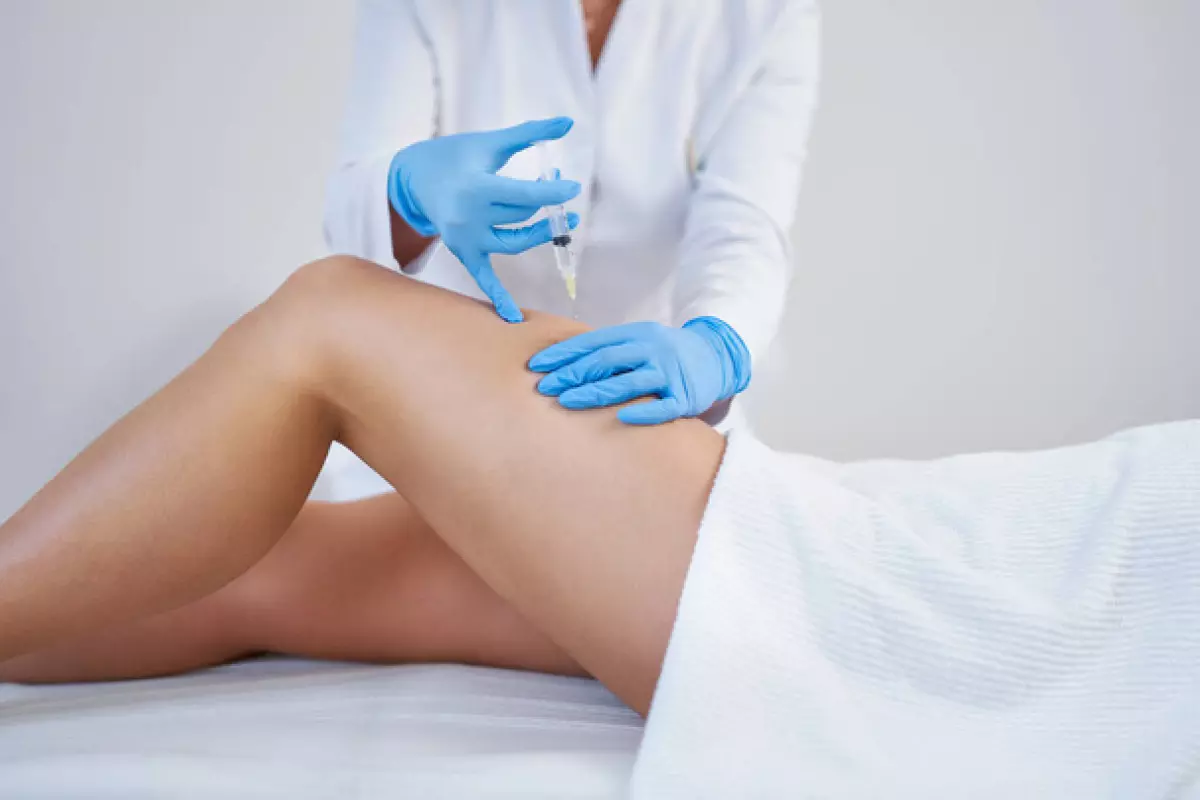
Foam sclerotherapy is a modern and highly effective method for treating varicose veins. Instead of injecting a liquid, a specially prepared foam is introduced into the affected vein. The foam displaces the blood, acts directly on the vessel wall, and leads to a permanent closure of the vein.
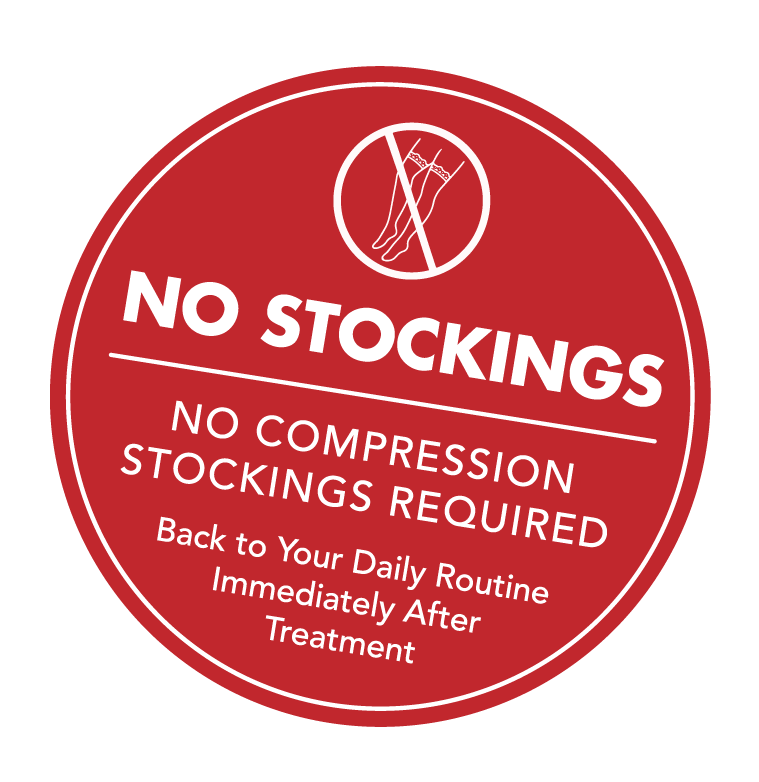
Compared to traditional injection techniques, the adhesive effect is significantly stronger. The treatment is almost painless, does not require compression stockings, and is currently considered the most effective sclerotherapy method.
It is particularly suitable when new varicose veins develop after previous treatment. If detected early and still small, they can be treated effectively with foam sclerotherapy, often preventing the need for further surgical procedures.
For larger veins, “natural substances” such as saline or sugar solutions can be used on request. These also cause an inflammatory reaction of the vein wall, leading to closure.
However, as this method may carry a higher risk of complications, such as damage to surrounding skin tissue, it is only used upon explicit patient request.
A modern technique allows the treatment of larger and deeper veins with high precision. Under ultrasound guidance, the vein is punctured and treated using either foam or bio sclerotherapy.
This approach enables precise targeting of veins that were previously treated “blindly”. The result is a more controlled, effective, and safe treatment, including for deeper varicose veins. It can also help prevent future surgical interventions.
The sclerotherapy of large varicose veins is covered by all health insurance companies if medically necessary. The treatment of small varicose veins must be paid for privately.
Foam sclerotherapy is a modern form of treatment for varicose veins and spider veins. A foamed sclerosant is injected into the vein, where it displaces blood, acts on the vessel wall, and causes the vein to close. The body then gradually breaks it down.
In liquid sclerotherapy, the medication is injected in fluid form. Foam distributes more evenly in larger or tortuous veins and has a stronger effect, making it suitable for medium-sized varicose veins.
The method is used for spider veins, side branch varicose veins, and in some cases medium-sized veins. The appropriate technique is determined individually after a duplex ultrasound examination.
The procedure is generally well tolerated. A brief burning or pulling sensation may occur during injection but subsides quickly. No anesthesia is required.
A session typically lasts between 10 and 20 minutes and is performed on an outpatient basis.
No. In most cases, compression is not necessary, and normal movement is possible immediately after treatment.
Depending on the extent of the condition, multiple sessions may be required, especially for widespread findings or spider veins.
Initial improvements are often visible after a few weeks. Final results appear after several weeks to months as the body breaks down the treated vein.
Temporary redness, minor bruising, or slight hardening along the vein may occur. These effects usually resolve on their own.
The treated vein remains permanently closed. However, new varicose veins may develop in other areas over time due to underlying predisposition.
Treatment is preceded by professional, obligatory clarification with ultrasound and plethysmography. This examination is painless, but requires a lot of equipment. This vein examination is covered by every health insurance company.
| Sclerotherapy | CHF 160.00-300.00 |
|---|
We understand that an aesthetic treatment needs to be carefully considered. We are therefore happy to take the time to answer all your questions during a no-obligation initial consultation. Arrange your consultation appointment at one of our VENENCLINICs today.
If you would like a brief online preliminary clarification before your consultation, you can also contact us by e-mail.
No matter which way you want to contact us - we look forward to hearing/reading from you!


